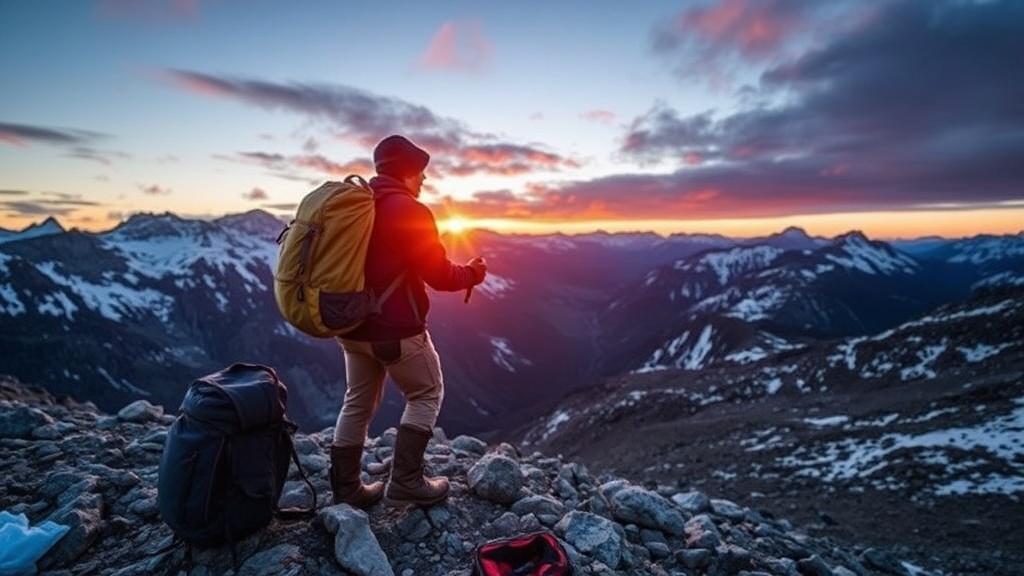
Packing for a Successful Day Hike in the Rockies

The weather in the Canadian Rockies can drop by 15 degrees Celsius in under an hour, often without any warning from the sky. This post outlines exactly how to pack for a day hike in the Alberta Rockies to ensure you stay safe, dry, and comfortable regardless of the mountain conditions. We'll look at the specific gear, clothing layers, and safety items required for our local terrain.
What Should You Wear for Hiking in the Rockies?
The best approach to clothing in the Rockies is a three-layer system designed to manage moisture and regulate body temperature. You shouldn't rely on a single heavy jacket; instead, wear a moisture-wicking base layer, an insulating middle layer, and a waterproof outer shell. This setup allows you to adjust your temperature as you move from a steep ascent to a windy summit ridge.
Start with a base layer made of merino wool or a synthetic fabric. Avoid cotton at all costs—it absorbs sweat, stays cold, and can lead to hypothermia even in moderate temperatures. Brands like Smartwool or Icebreaker are local favorites for a reason. Their wool blends keep you dry even when you're working hard on a steep grade.
For your mid-layer, you need something that traps heat. A lightweight fleece or a down-filled jacket like the Patagonia Nano Puff works perfectly. If you're hiking in the shoulder seasons—late spring or early autumn—you might want something slightly heavier.
Your outer layer is your defense against the unpredictable Alberta wind and sudden rain or snow. A high-quality hard shell is a must. It doesn't have to be pretty, but it must be waterproof. Check the technical specifications for waterproof ratings if you're unsure about the level of protection you need for a high-altitude trek.
Quick Layering Guide:
| Layer Type | Purpose | Recommended Materials |
|---|---|---|
| Base Layer | Moisture wicking | Merino wool or synthetic |
| Mid Layer | Insulation/Heat retention | Fleece or down/synthetic puff |
| Outer Layer | Wind and water protection | Gore-Tex or similar waterproof shell |
What Gear Do I Need in My Day Pack?
A well-stocked day pack should contain navigation, hydration, nutrition, and emergency supplies. Even if you're only planning a two-hour walk near Canmore or Banff, the terrain can become difficult very quickly if you lose the trail or get caught in a storm.
Hydration is often overlooked until you're already feeling the effects of dehydration. Carry more water than you think you'll need. A 2-liter bladder or two 1-liter Nalgene bottles are standard. If you're hiking in the heat of July, consider adding electrolyte tablets to your water to replace what you lose through sweat.
Don't forget the "Ten Essentials." These are the items that can save your life if things go wrong. They include:
- Navigation: A physical map and compass (don't rely solely on your phone; GPS can fail in deep valleys).
- Sun Protection: Sunglasses and high-SPF sunscreen. The sun is much stronger at higher altitudes.
- First Aid: A basic kit with bandages, antiseptic, and any personal medications.
- Knife: A small multi-tool or pocket knife.
- Fire: Waterproof matches or a lighter.
- Emergency Shelter: A lightweight space blanket.
- Light: A headlamp with fresh batteries.
- Extra Food: High-calorie snacks like nuts, dried fruit, or energy bars.
If you're heading out early to beat the crowds, you might want to grab a coffee in town first. I've written about finding the best hidden coffee spots in Banff and Canmore to help you fuel up before the trailhead. A hot drink can be a great morale booster if the temperature dips unexpectedly.
How Much Water and Food Should I Carry?
You should carry at least 2 to 3 liters of water and high-protein snacks for every 4 to 5 hours of hiking. The amount of food and water depends heavily on the intensity of the hike and the ambient temperature. A heavy climb up a scree slope will require much more energy than a flat walk through a forest.
Food should be easy to digest and energy-dense. Think about things that don't require much preparation. Nuts, jerky, and energy bars are perfect. If you're doing a longer trek, perhaps a more substantial lunch is in order, but keep it light to avoid feeling sluggish during the ascent.
Water needs are even more critical. If you're planning a long day, you might consider a water filtration system like a Sawyer Squeeze. This allows you to safely drink from alpine streams or lakes. However, always check local Parks Canada advisories regarding water safety and wildlife-related contamination before drinking from natural sources.
It's a common mistake to assume you can just "grab a drink" from a stream whenever you want. While the water looks clear, it can contain bacteria or parasites. Always treat your water if you aren't carrying enough from the trailhead.
How Do I Pack My Backpack Efficiently?
Organize your pack by placing the heaviest items close to your spine and the items you'll need most frequently in the outer pockets. This keeps your center of gravity stable and ensures you aren't digging through your gear in the middle of a trail.
Follow this loading order for a balanced pack:
- Bottom Zone: Bulky, light items you won't need until the end (like your extra insulating layer or a change of clothes).
- Middle Zone (Against Back): Heaviest items like your water reservoir, food containers, or heavy gear. This keeps the weight close to your center.
- Middle Zone (Outer): Medium-weight items like your first aid kit or extra snacks.
- Top/Outer Pockets: Items you might need immediately, such as your sunblock, a compass, or your rain shell if the clouds look dark.
A well-packed bag prevents the weight from shifting and causing fatigue. If you feel the weight pulling you backward, your heavy items are too far from your back. If the bag feels unstable, you likely have too much weight in the outer pockets.
One thing to keep in mind: always leave a little room at the top. You'll want space for that extra snack or a souvenir you didn't plan on buying. A tight pack is a frustrating pack.
When you're out in the Rockies, the goal isn't just to reach the summit—it's to be able to get back down safely. Being prepared isn't about being an expert; it's about respecting the environment. The mountains don't care about your plans, but your gear can help you stay in control of your situation.
Steps
- 1
Choose the right base layers
- 2
Pack moisture-wicking clothing
- 3
Include navigation and safety tools
- 4
Don't forget hydration and snacks